If your company receives foreign investment, borrows from overseas or invests outside India, you may need to submit reports under the Foreign Exchange Management Act, 1999 (FEMA)…



If your company receives foreign investment, borrows from overseas or invests outside India, you may need to submit reports under the Foreign Exchange Management Act, 1999 (FEMA)…
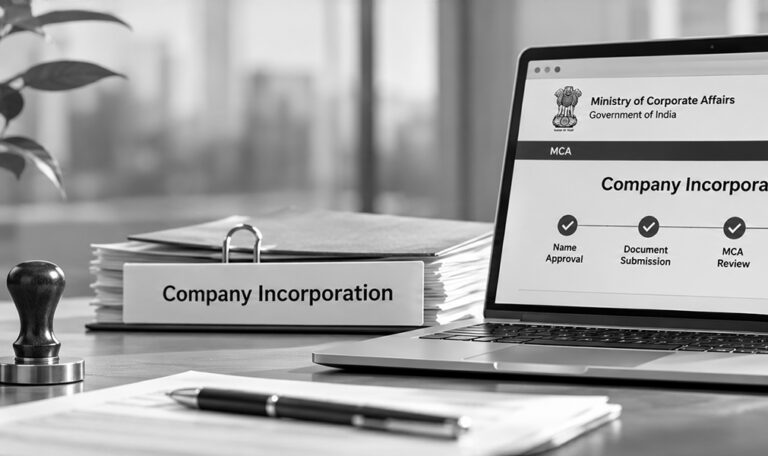
Starting a company involves more than choosing a name and receiving a registration certificate. You also need to decide the ownership structure, prepare documents, understand the charges..

If your Indian subsidiary provides services to its overseas parent, pays royalties to a group company or receives an intercompany loan, you may have transfer pricing obligations…

Setting up a Global Capability Centre (GCC) in India means building your company’s own team here to support its global business. That team might develop software, manage..
A foreign company can operate in India without opening an office, hiring employees, or setting up a branch. Yet, if it has substantial business interactions with Indian..

Place of supply is the GST rule that decides where a service is treated as delivered. That one decision determines who gets to tax it and, for..

Employment termination does not follow the same rules in every country. Some employment systems give employers more flexibility, while others require specific procedures, notice, or compensation. India..
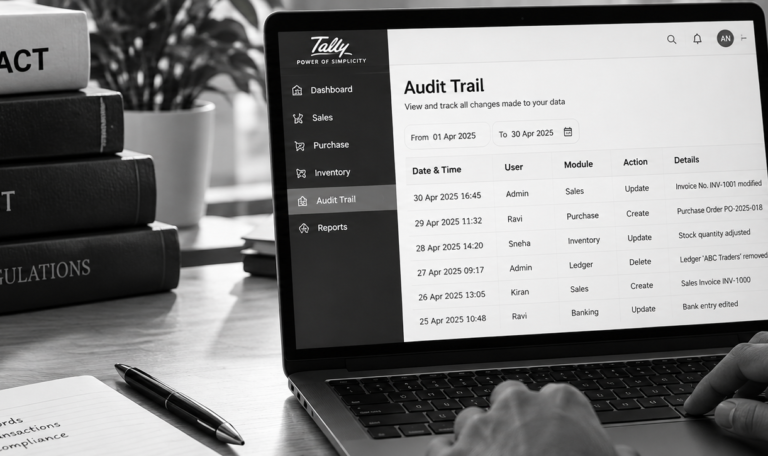
Since April 2023, every Indian company using accounting software has been required to keep a functioning audit trail, a running edit log of every transaction and every..

Form FC-GPR (Foreign Currency Gross Provisional Return) is the filing an Indian company must submit to the RBI every time it issues new shares or convertible instruments..

Hiring people in India can look simple until a company has to decide how those people should be engaged. Should they become employees, work as independent contractors,..